
Table of Contents
Introduction
Best water storage tank is something we all want , also it should not contaminate the water inside it as water is one of the most vital resource for every home or business .
Whether for drinking cleaning or for the industrial use, the quality of your water storage tank directly affects the safety and hygiene of the water you use every day.
In 2025, the market has several options, but two types stand out – LLDPE (Linear Low-Density Polyethylene) and HDPE (High-Density Polyethylene) tanks. Both have earned a reputation for their price point durability, safety, and reliability.
In this guide, we’ll help you choose the best water storage tank that suits your needs perfectly.
Why Choosing the Best Water Storage Tank Matters
Before discussing about the materials, let’s understand
why choosing of a tank is so crucial.
Plastic water tank does more than store water – it protects it. The right material prevents:
- Contamination from sunlight and microorganisms
- Leakage or cracking during temperature changes
- Chemical reactions between the plastic and water
- Foul odor or taste from poor insulation
When chosen wisely, a tank can last over 10-15 years while keeping water clean and cool.
Understanding LLDPE and HDPE Tanks
What is an LLDPE Tank?
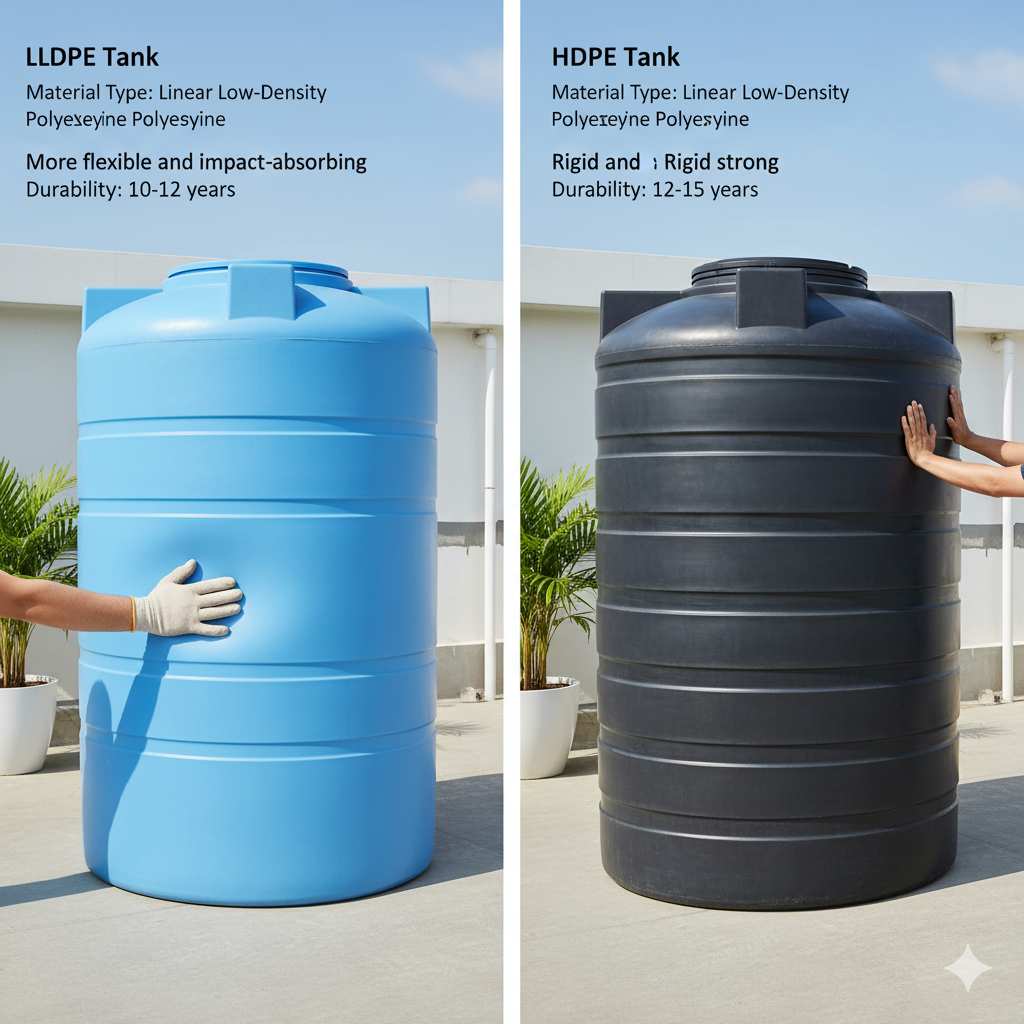
LLDPE stands for Linear Low-Density Polyethylene – a flexible, strong, and UV-resistant plastic used in premium water tanks.
It is slightly softer than HDPE, allowing it to absorb pressure and impacts better.
Key traits of LLDPE tanks:
- Superior flexibility and resistance to cracking
- UV protection from sunlight
- Long-lasting and lightweight
- Suitable for residential and commercial rooftops.
What is an HDPE Tank?
HDPE means High-Density Polyethylene, known for exceptional toughness and rigidity. It’s the same material used in industrial-grade pipes and drums – and for a good reason.
Key traits of HDPE tanks:
- Extremely durable and impact-resistant
- Can withstand high temperature and pressure
- Ideal for heavy-duty or industrial use
- Non-toxic and corrosion-free
LLDPE vs HDPE Tanks - A Quick Comparison Table
| Feature | LLDPE Tank | HDPE Tank |
|---|---|---|
| Material Type | Linear Low-Density Polyethylene | High-Density Polyethylene |
| Flexibility | More flexible and impact-absorbing | Rigid and strong |
| Durability | 10-12 years | 12-15 years |
| UV Resistance | Excellent | Excellent |
| Crack Resistance | Higher dues to flexibility | Moderate |
| Weight | Lightweight | Slightly heavier |
| Use Case | Residential / Light commercial | Industrial / Heavy-duty |
| Cost | Affordable | Slightly higher |
| Temperature Stability | Good | Excellent |
Why HDPE Tanks Are Considered "Unbreakable"
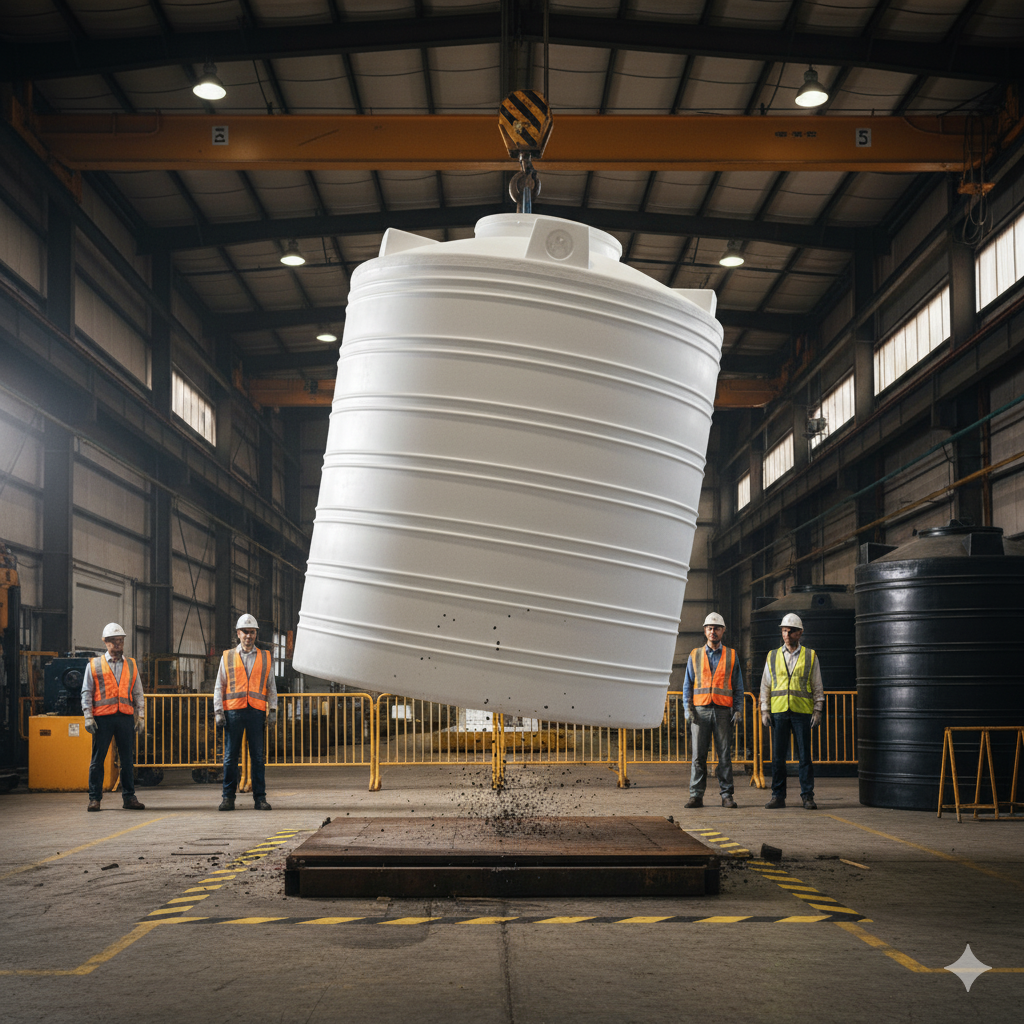
One of the biggest selling points of HDPE tanks is their incredible impact prevention .
In tests, these tanks remain unbroken even when dropped from a six-story building.
That toughness comes from the dense molecular structure of HDPE plastic, which absorbs the shocks without cracking. This makes it ideal for:
- Construction sites
- Industrial water systems
- High-rise buildings where tanks face heavy
- water pressure
In short, if your top priority is strength and longevity, HDPE tanks are unbeatable.
Why LLDPE Tanks Are Perfect for Homes
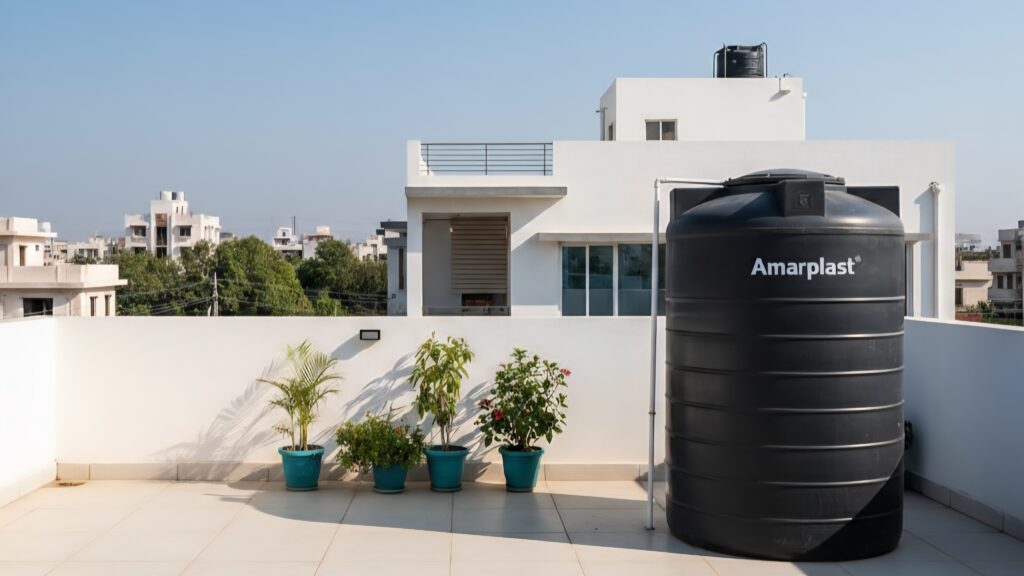
LLDPE tanks are designed with flexibility and insulation in mind – two features that are most useful in home .
They can be resistant to both extreme heat and cold, keeping water temperature stable throughout the year.
Even in regions with summers or cold winters, water remains unaffected.
Additional advantages:
- Easier installation due to lighter weight
- Great for terraces or limited roof space
- If it has crack it can be repaired which is not possible in hdpe tank
If you’re a homeowner looking for balance between price, performance, and design, LLDPE tanks are the best water storage tanks for domestic use in 2025.
Hygiene and Safety: How Both Tanks Protect Your Water
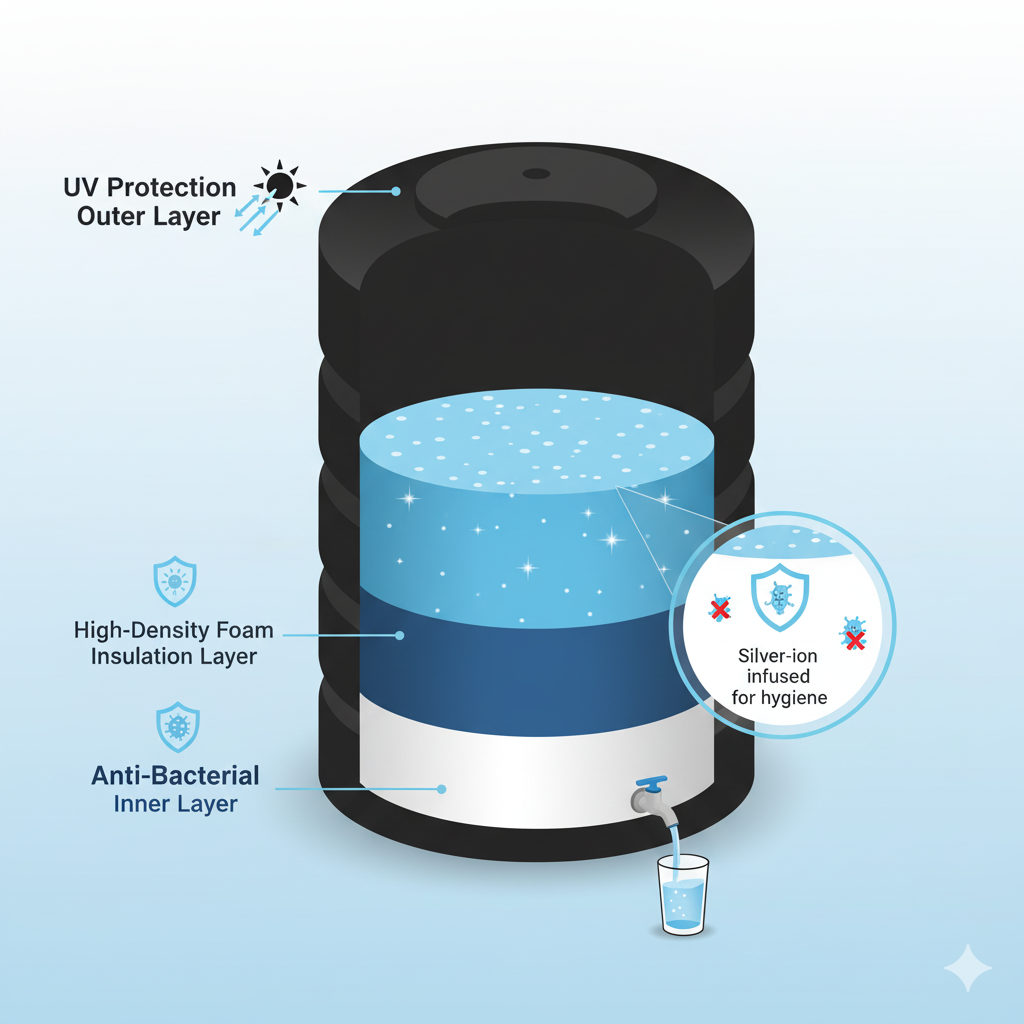
Both LLDPE and HDPE tanks are made from food-grade plastic, meaning they are 100% safe for drinking water.
They do not leach chemicals, rust, or corrode.
Most premium tanks come with:
- Anti-bacterial inner layers to prevent algae growth
- UV-stabilized outer layers for sun protection
- Smooth inner surfaces to prevent residue buildup
There is also puff protection ensures water remains fresh and clean also its temperature remains stable throughout the year , even during long storage periods.
Conclusion - Which Tank Should You Choose
- Maximum durability
- Heavy-duty performance
- Long-term industrial use
- A tank that won’t crack under pressure
- Flexibility and insulation
- Lightweight, easy installation
- Reliable home use
- Cost-efficiency