
Table of Contents
Overhead vs Underground Water Tanks: Which One Is Better for Your Home?
When building a house, one common question confuses almost every homeowner: should I install an overhead or underground water tank? Both store water, but their working, cost, maintenance, and long-term usefulness are very different. Choosing the wrong one can lead to pressure problems, hygiene issues, or extra expenses later.
This blog explains the difference in simple and practical terms, so you can choose the right option for your home.
What Is an Overhead Water Tank?
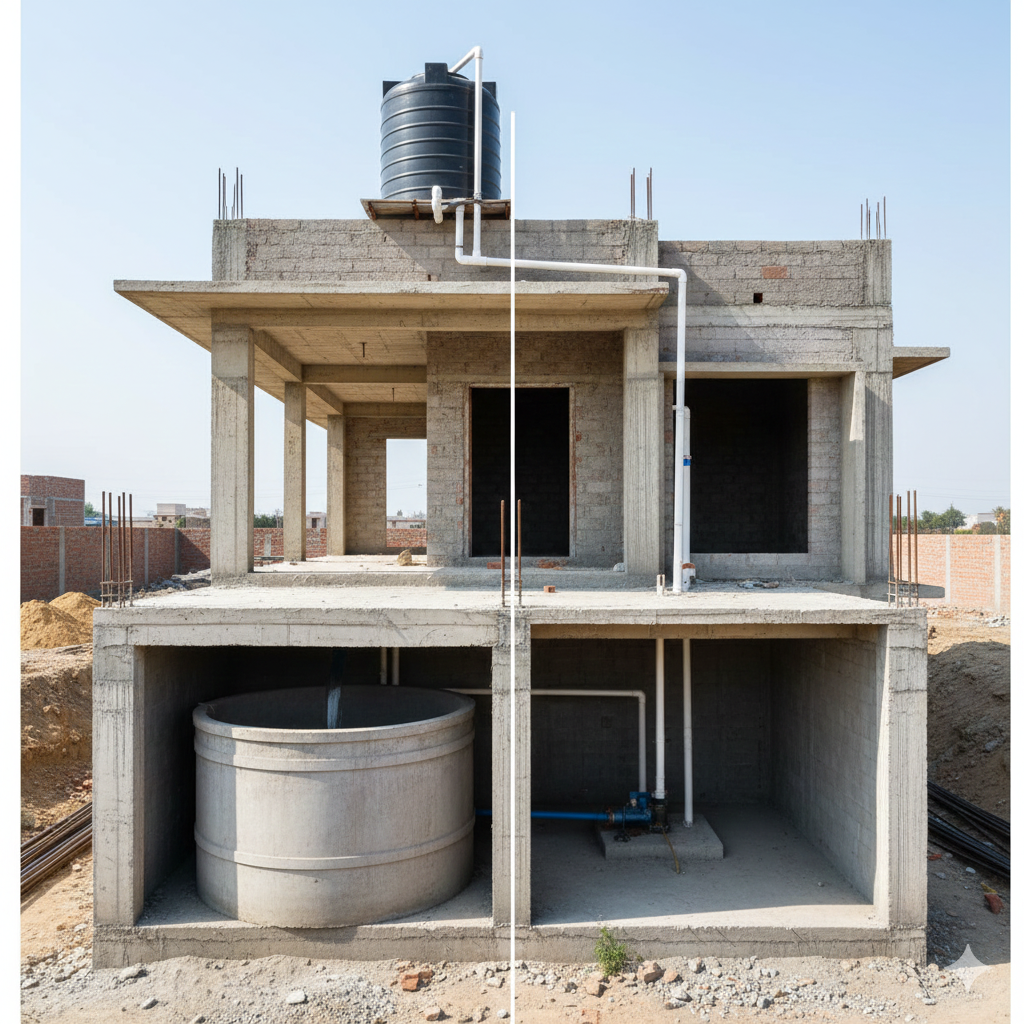
An overhead water tank is installed on the roof of a building. Water is pumped from the ground level (or underground tank) to the rooftop tank and then supplied to taps using gravity.
How It Works (Simple)
Water is pumped up once
Gravity sends water down to all floors
No motor needed for daily use
This system is extremely common in India.
What Is an Underground Water Tank?
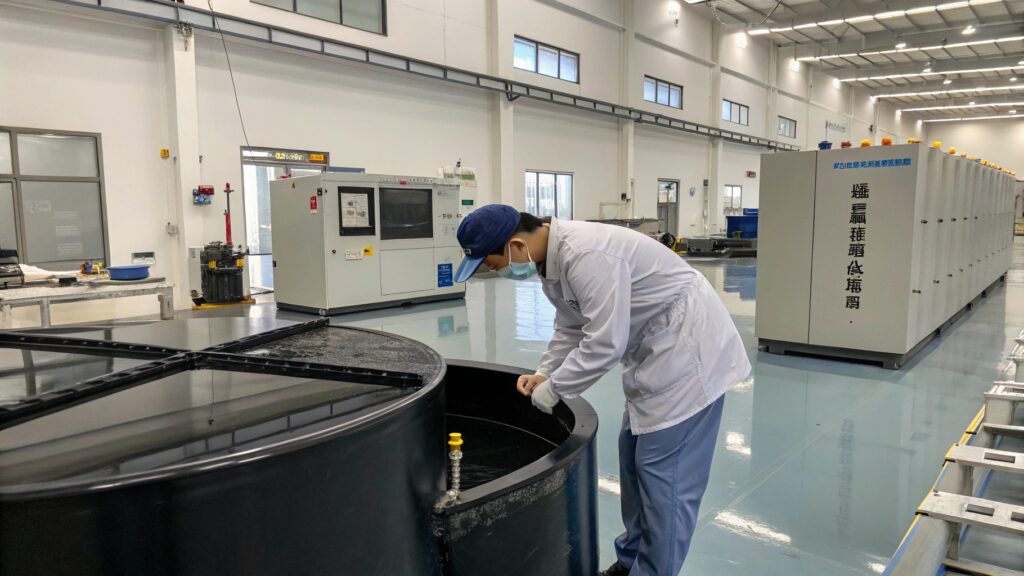
An underground water tank is built below ground level, usually under the house or driveway. It stores large amounts of water safely underground. Water is pumped directly from this tank to taps or to an overhead tank.
How It Works
Stores water below ground
Motor is needed every time water is used
Often combined with an overhead tank
Overhead vs Underground Water Tank Comparison Table
| Factor | Overhead Water Tank | Underground Water Tank | Winner |
|---|---|---|---|
| Water Pressure | Uses gravityStrong & constant pressureWorks during power cuts | Needs motor for pressureNo water if electricity fails | Overhead Tank |
| Cost of Installation | Lower costEasy installationNo heavy civil work | Expensive excavationWaterproofing requiredHigher labor cost | Overhead Tank |
| Maintenance & Cleaning | Easy to inspectSimple cleaningLeaks visible quickly | Difficult to accessCleaning is messyLeaks hard to detect | Overhead Tank |
| Water Safety & Hygiene | Safe with UV-stabilized plasticEasy to cover & sealMay heat if low quality | Naturally cool waterRisk of soil contaminationNeeds strong waterproofing | Tie (depends on quality) |
| Space Requirement | Uses roof spaceSlight structural load | Saves rooftop spaceOccupies underground area | Depends on house design |
| Durability & Lifespan | 15–25 years with UV protectionRust-freeCrack-resistant | Concrete cracks over timeSeepage riskCostly repairs | Overhead Plastic Tank |
| Power Dependency | Motor used only once to fillWater available without power | Motor needed every timeNo power = no water | Overhead Tank |
Which One Is Better for Indian Homes?
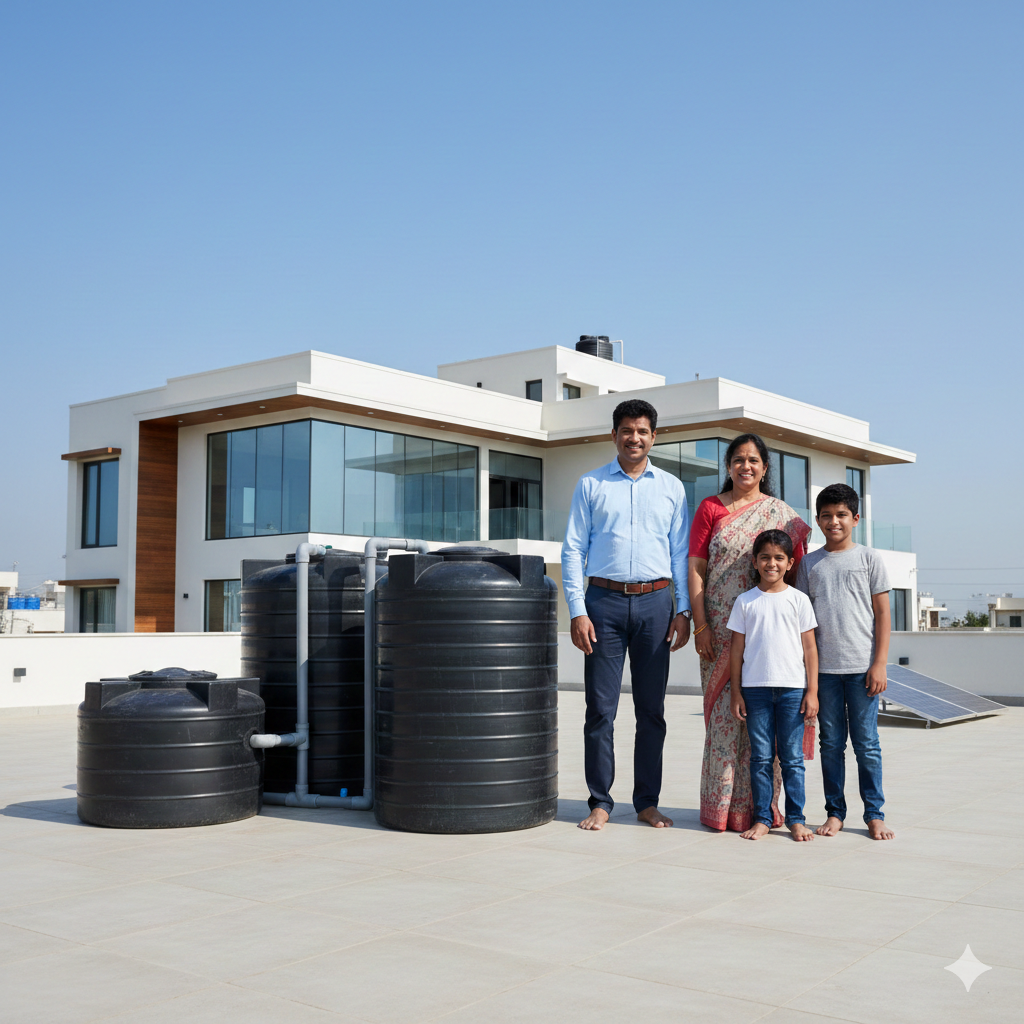
For most Indian houses, overhead water tanks are the better and safer choice.
They are:
More reliable
Less expensive
Easier to maintain
Perfect for power-cut situations
Underground tanks are usually used only when water supply is irregular or when storing large backup quantities.
Best Practical Solution (Recommended)
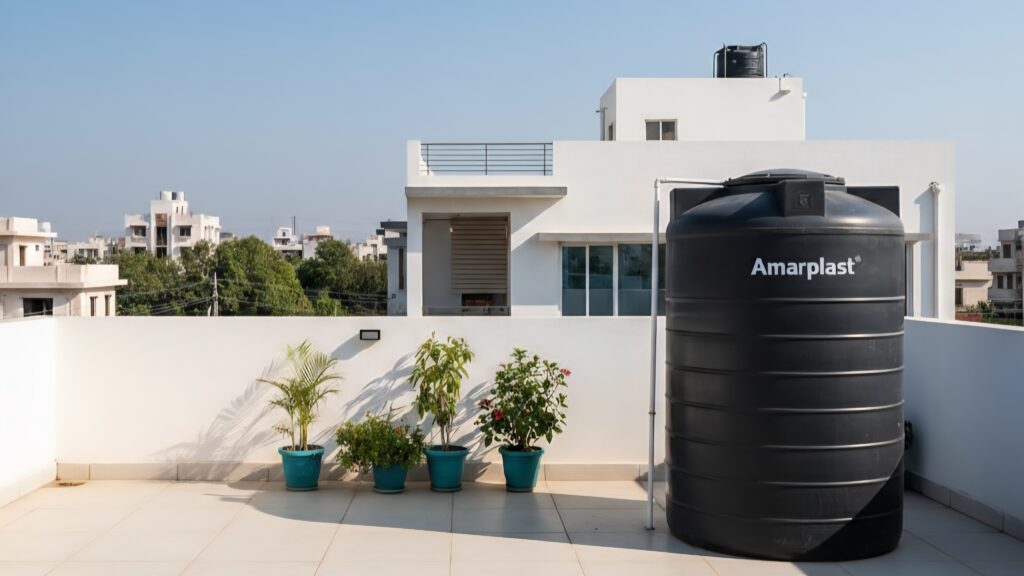
Use BOTH tanks together
Ideal setup:
Underground tank for water storage
Overhead tank for daily supply
This gives:
Storage safety
Strong water pressure
Backup during shortages
This system is widely used in apartments, villas, and commercial buildings.
If you go for an overhead tank, plastic (HDPE/LLDPE) tanks are best because:
No rust
Lightweight
UV-stabilized for Indian heat
Long life
Avoid cheap, non-UV tanks as they heat water and crack early.