
Table of Contents
Mistakes People Make While Buying a Water Tank
Buying a water tank looks like a simple task, but in reality, many people make costly mistakes during this decision. A wrong choice can lead to water shortages, poor water quality, cracking tanks, or extra expenses after just a few years. Since a water tank is a long-term investment, mistakes made while buying a water tank can trouble you for 10–20 years.
This blog explains the most common mistakes people make while buying a water tank and, more importantly, how you can avoid them.
Choosing the Wrong Tank Capacity
One of the biggest mistakes people make while buying a water tank is selecting the wrong capacity. Many buyers either choose a tank that is too small to save money or buy a very large tank without planning.
A small tank causes frequent water shortages, especially in summer. An oversized tank wastes money and space.
How to avoid this mistake:
Calculate daily water usage (per person)
Consider number of family members
Account for future needs
As a general rule:
Small family: 500L–1000L
Medium family: 1500L–2000L
Large family or low supply area: 3000L+
Ignoring UV Protection (Very Common Mistake)
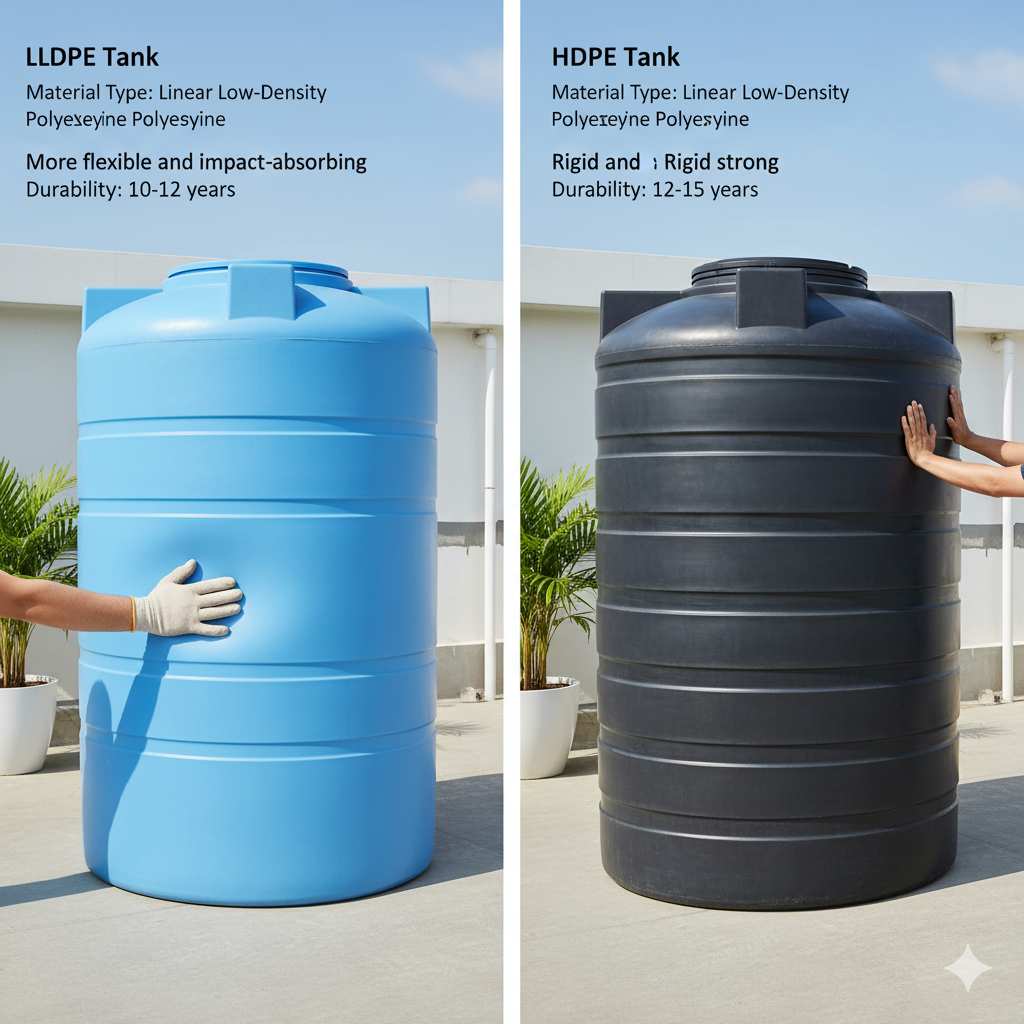
Many people do not ask whether the tank is UV-stabilized. This is a serious mistake, especially for overhead tanks exposed to sunlight.
Without UV protection:
Plastic becomes weak
Color fades
Algae growth increases
Tank cracks early
How to avoid this mistake:
When buying a water tank, always check if it is UV-stabilized and designed for Indian weather conditions.
Buying Cheap Tanks Just to Save Money
Price is important, but choosing the cheapest option often leads to regret. Low-cost tanks usually use recycled plastic or low-grade material, which affects water safety and durability.
Problems with cheap tanks:
Bad smell in water
Plastic taste
Short lifespan
Cracking within a few years
How to avoid this mistake:
Always check:
Food-grade or virgin plastic
Brand reputation
Manufacturing quality
When buying a water tank, think long-term, not just today’s price.
Not Checking Tank Layers and Thickness
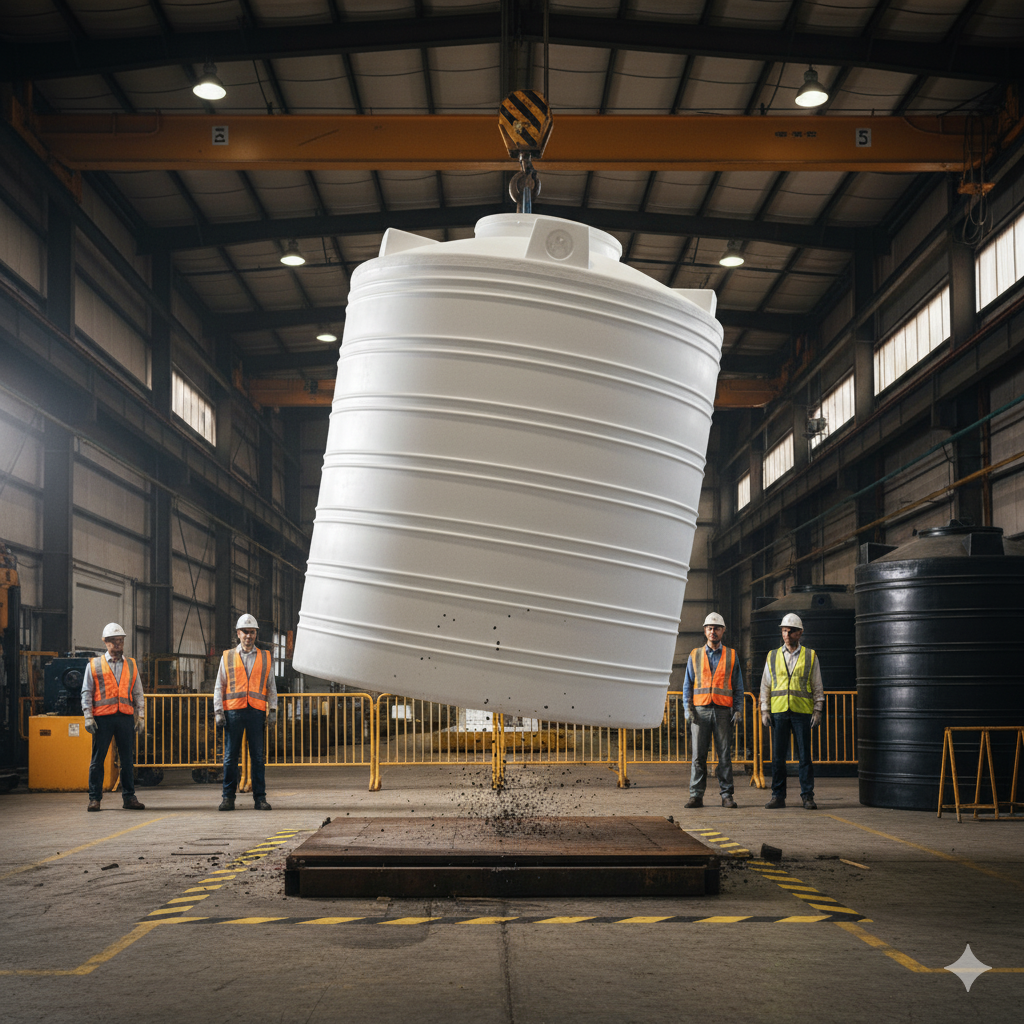
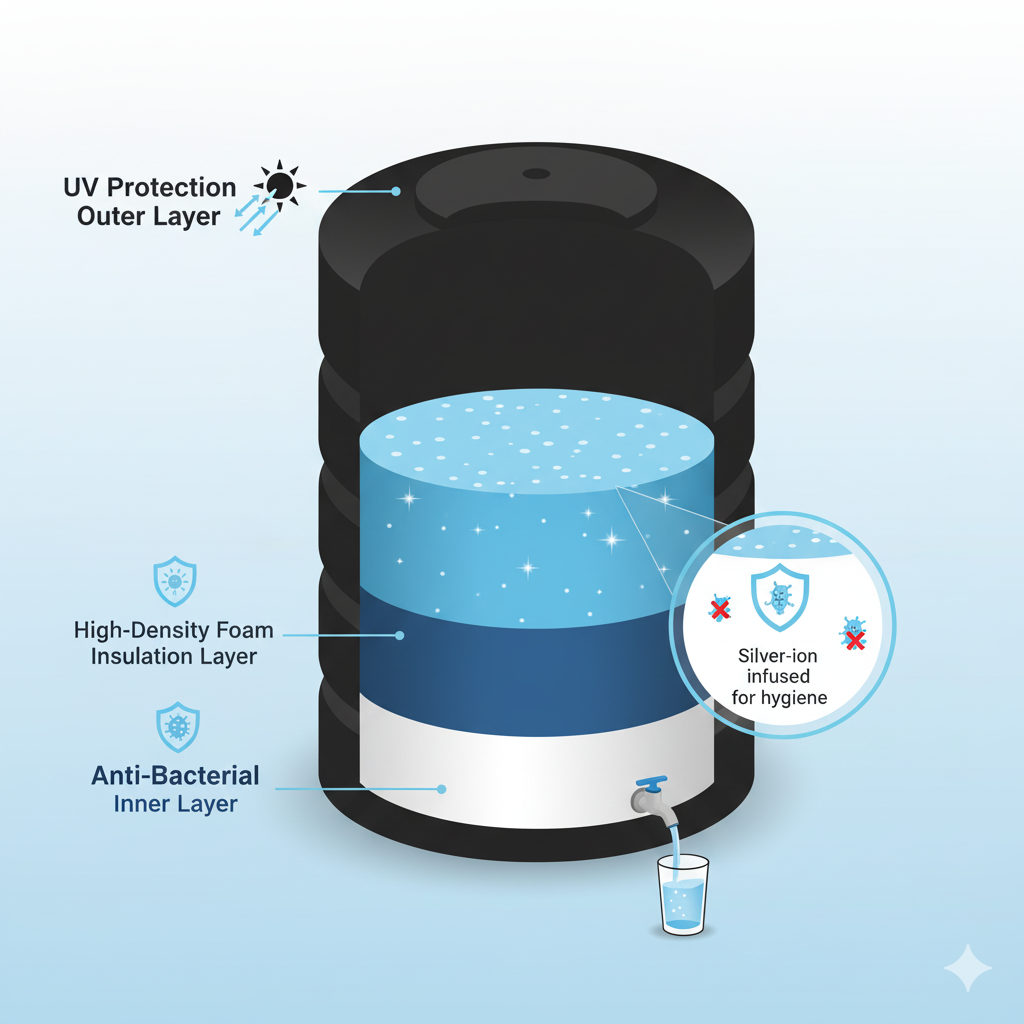
Many buyers do not know that water tanks come in single-layer, double-layer, and multi-layer designs. Thin or single-layer tanks are more likely to crack and heat water quickly.
How to avoid this mistake:
Choose a multi-layer tank with:
Thick outer layer for strength
Inner food-grade layer for safety
Middle insulation layer (if available)
This improves durability and water quality.
Ignoring Water Safety and Hygiene
Some people focus only on size and price and forget about hygiene. A poorly designed tank can allow dust, insects, or algae to contaminate water.
How to avoid this mistake:
When buying a water tank, ensure:
Tight-fitting lid
Smooth inner surface
Easy cleaning access (proper manhole)
Clean design matters as much as capacity.
Not Considering Local Climate Conditions
Indian climate varies a lot — extreme heat, heavy rains, and cold winters in some areas. Tanks not designed for such conditions weaken faster.
How to avoid this mistake:
Choose a tank that:
Handles high temperatures
Resists cracking due to heat
Is suitable for outdoor installation
Climate suitability is often ignored but very important while buying a water tank.
Conclusion - Which Tank Should You Choose
| Mistake | What Goes Wrong | How to Avoid It |
|---|---|---|
| Choosing the Wrong Type (Overhead vs Underground) | Buying a water tank without deciding its purpose leads to poor water pressure or unnecessary electricity usage. |
|
| Ignoring Installation and Base Support | Even high-quality tanks can crack or leak if installed on weak or uneven surfaces. |
|
| Not Checking Warranty and Brand Support | Lack of warranty or service support causes problems if defects appear later. |
|
| Forgetting About Cleaning and Maintenance | Tanks that are hard to clean often lead to poor hygiene and water quality issues. |
|
Conclusion - Which Tank Should You Choose
1. Choosing the wrong tank capacity
One of the most common mistakes while buying a water tank is selecting the wrong size. A small tank leads to frequent water shortages, while an oversized tank wastes money and space. Always calculate your daily water usage and choose capacity accordingly.
2. Ignoring UV protection
Many people ignore UV protection when buying a water tank. Without UV-stabilization, tanks can crack, fade, and allow algae growth due to sunlight exposure. Always choose a UV-stabilized tank, especially for overhead installation.
3. Buying low-quality plastic to save money
Low-cost tanks may look attractive but often use recycled or low-grade plastic. This can affect water quality and tank lifespan. When buying a water tank, always check for food-grade, virgin plastic material.
4. Not checking tank thickness and layers
Tank thickness and multi-layer design are important for strength and insulation. Single-layer or thin tanks are more likely to crack. Choose a multi-layer tank with proper wall thickness for long-term use.
5. Overlooking proper brand warranty
Many buyers skip checking the warranty details. A good warranty shows brand confidence and protects you from manufacturing defects. Always check warranty coverage before buying a water tank.
6. Not considering local climate conditions
Indian weather varies widely. Tanks not designed for high heat may weaken over time. When buying a water tank, make sure it is suitable for your local climate and temperature conditions.
7. Ignoring installation and support quality
Even a good tank can fail if installed poorly. Improper base support or uneven surfaces can cause cracks. Always ensure proper installation and solid support structure.
8. Forgetting about cleaning access
Some tanks have poor access for cleaning, which leads to hygiene issues. Always check manhole size and internal design so cleaning can be done easily.
9. Not comparing overhead vs underground tank needs
Some people buy a tank without deciding whether it should be overhead or underground. Overhead tanks are best for daily use, while underground tanks are mainly for storage. Decide usage before buying.
10. Not asking about after-sales service
After-sales service matters for long-term peace of mind. When buying a water tank, always ask about service availability, replacement policy, and customer support.
You can read our blog on why black tank last long