
Table of Contents
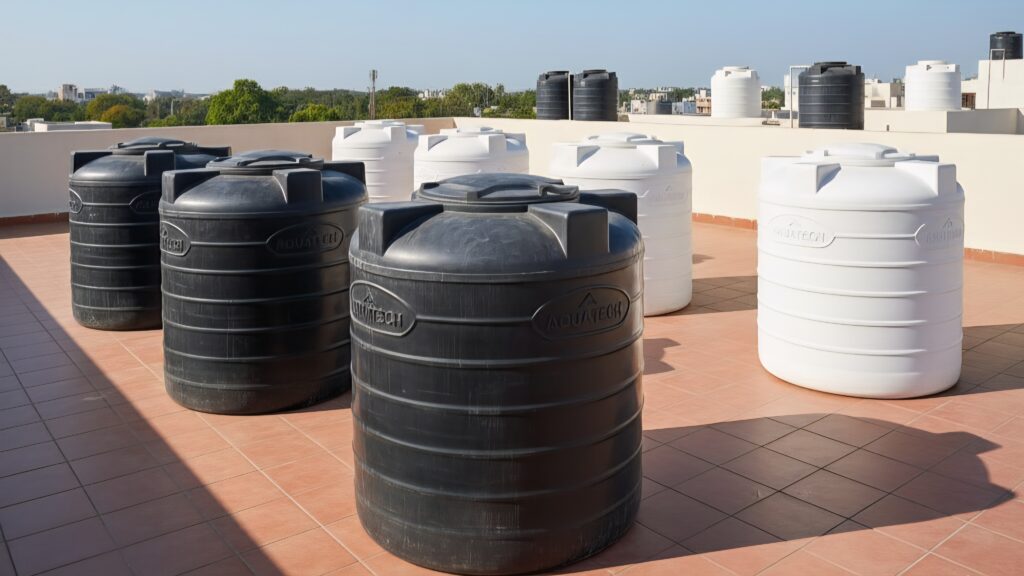
Why UV-Stabilized Water Tanks Handle Indian Heat Better Than Normal Tanks
Indian weather is harsh, especially during summer. Rooftop water tanks face extreme sunlight, high temperatures, and dust every single day. Yet many people still buy normal water tanks without understanding how Indian heat slowly destroys them.
This is where UV-stabilized water tanks make a real difference.
In this blog, we’ll explain — in simple language — why UV-stabilized water tanks handle Indian heat better than normal tanks, and why they last longer without repeated repairs or replacement.
Indian Heat: The Biggest Problem for Water Tanks
Most people think water pressure or usage damages tanks.
In reality, the main enemy is sunlight.
Indian rooftops regularly face:
40–48°C summer temperatures
Direct sunlight for 6–8 hours daily
Strong ultraviolet (UV) rays
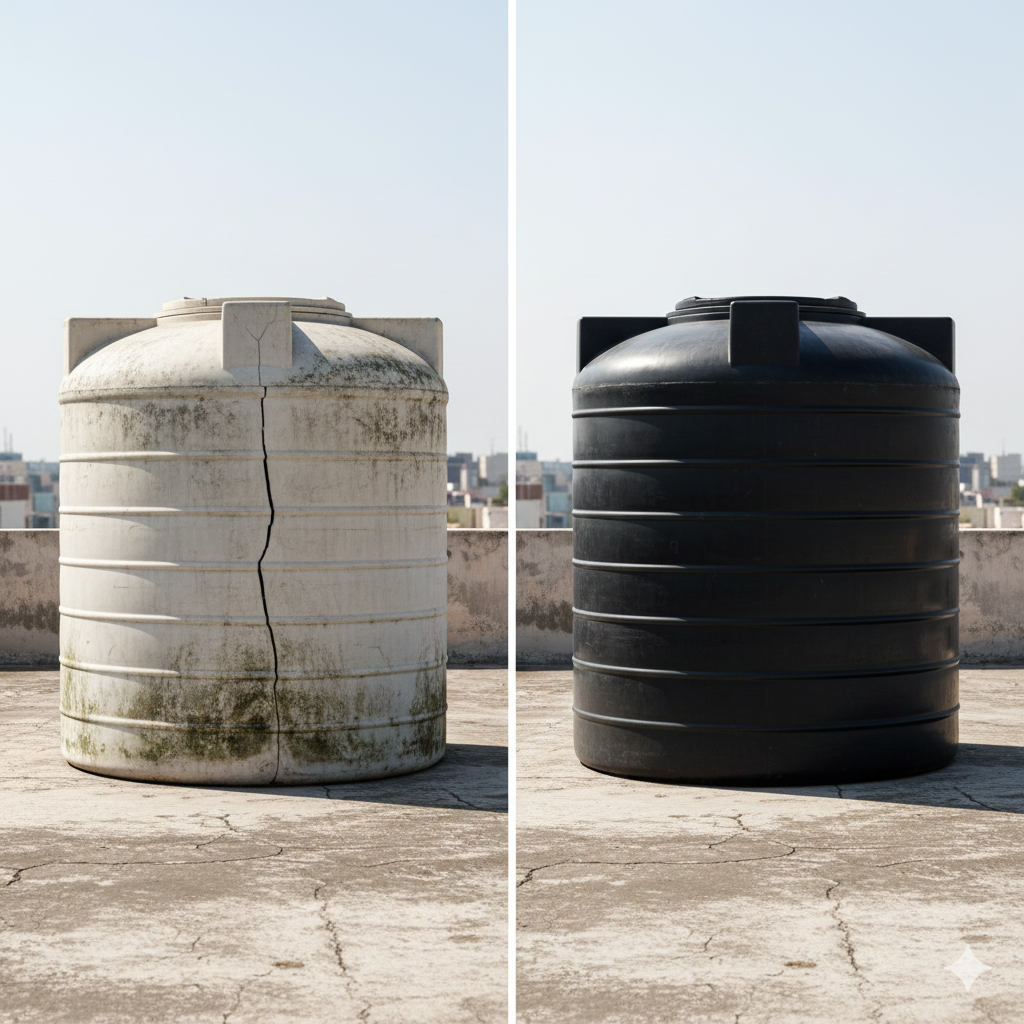
Over time, this heat causes:
Weakening of plastic
Surface cracks
Color fading
Algae growth inside the tank
Normal water tanks are not designed to survive this long-term exposure.
What Are UV Rays? (Very Simple Explanation)
Sunlight contains UV (ultraviolet) rays.
We can’t see them, but they are powerful enough to:
Damage skin
Fade clothes
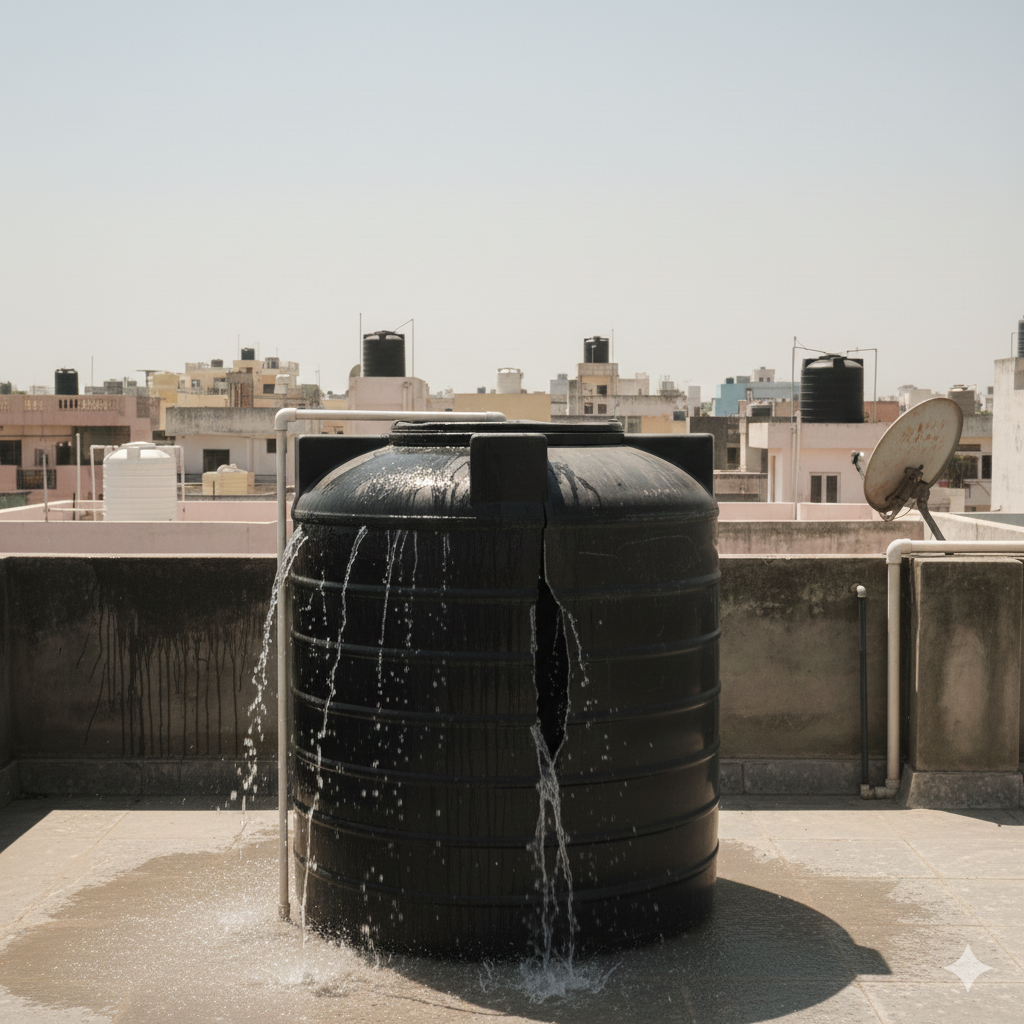
Break down plastic
When plastic is exposed to UV rays for years, it slowly becomes brittle and weak. This is exactly what happens to ordinary water tanks.
What Does “UV-Stabilized” Mean?
A UV-stabilized water tank is made by mixing special UV-protective compounds into the plastic during manufacturing.
These compounds:
Absorb harmful UV rays
Prevent sunlight from damaging the plastic
Maintain strength and flexibility
Think of UV stabilization as sunscreen for your water tank.
Without it, tanks age very fast in Indian weather.
Why Normal Water Tanks Fail in Indian Heat
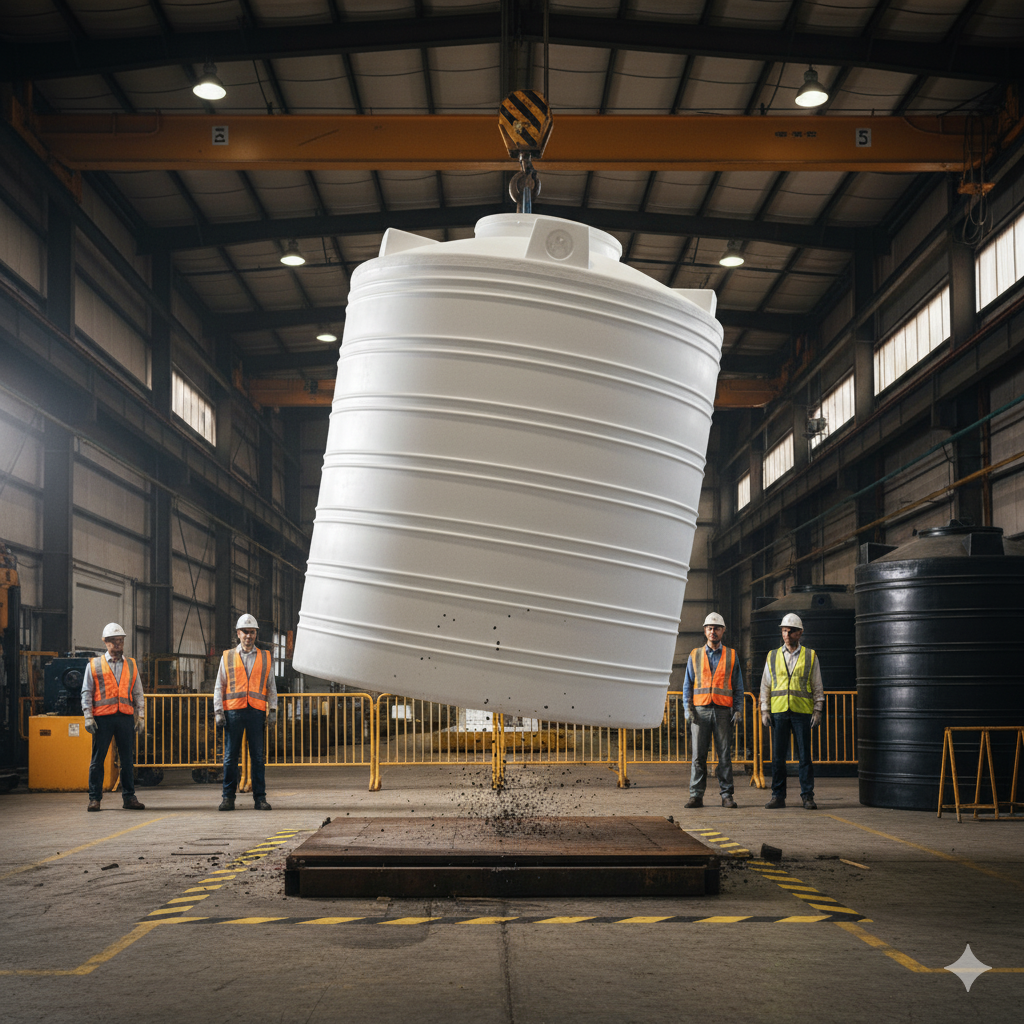
Normal (non-UV) water tanks may look fine initially, but after a few summers, you’ll notice:
Color fading
Rough outer surface
Small cracks forming
Weak tank walls
These are clear signs of heat damage.
In many cases, normal tanks fail within 3–5 years in hot regions.
Why Black Water Tanks Perform Better
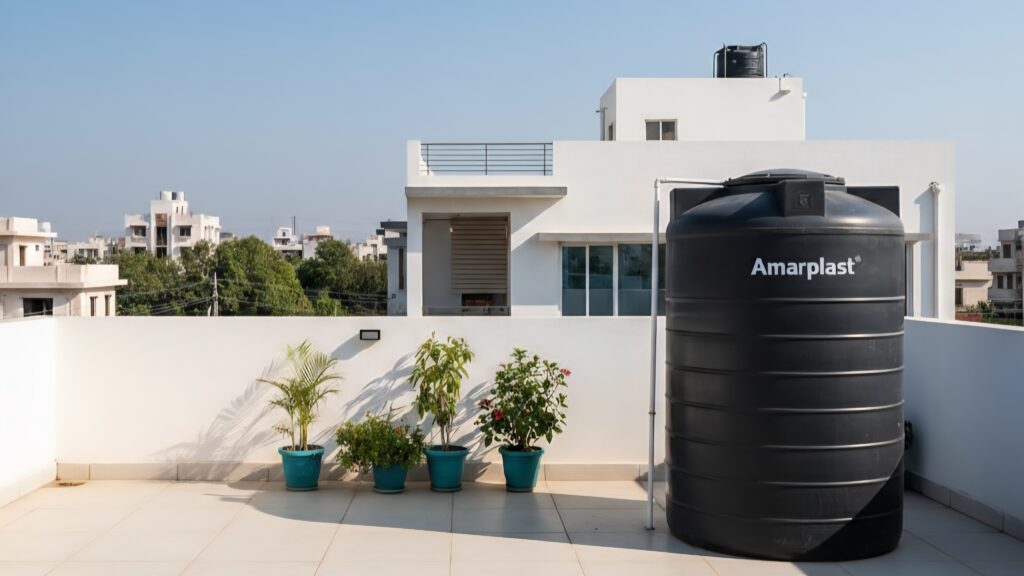
Most UV-stabilized tanks are black, and this is not for looks.
Black color:
Blocks sunlight completely
Prevents light from entering the tank
Reduces algae growth
Improves UV protection
Light-colored or transparent tanks allow sunlight inside, which heats water and encourages algae.
This is why black UV-stabilized water tanks are ideal for Indian heat.
How UV-Stabilized Tanks Last Longer
UV-stabilized tanks last longer because:
Plastic remains flexible, not brittle
Cracking risk is much lower
Color stays intact for years
Structural strength is preserved
In Indian conditions:
Normal tanks last 3–6 years
UV-stabilized tanks last 10–20 years with basic maintenance
That’s a big difference.
UV-Stabilized Tanks Also Keep Water Safer
Sunlight inside a tank causes:
Algae growth
Bacteria multiplication
Bad smell in water
UV-stabilized black tanks:
Block sunlight
Keep water cooler
Maintain better hygiene
So UV protection doesn’t just save the tank — it protects your water quality too.
Are UV-Stabilized Tanks More Expensive?
Yes, UV-stabilized tanks cost slightly more than normal tanks.
But over time, they:
Need fewer repairs
Don’t require early replacement
Save money long-term
Paying a little extra once is better than replacing a cheap tank every few years.
Indian heat is extreme and unavoidable.
Only tanks designed for sunlight can survive long-term.
UV-stabilized water tanks handle Indian heat better than normal tanks, last longer, and keep water safer.
This is not marketing — it’s simple science.
Q1. Why are UV-stabilized water tanks better for India? Because they resist sunlight damage and cracking.
Q2. Are black water tanks always UV-stabilized? Most quality black tanks are UV-stabilized, but always check specifications.
Q3. Do UV-stabilized tanks prevent algae? Yes, by blocking sunlight from entering the tank.
Q4. How long do UV-stabilized tanks last? 10–20 years with proper care.
You can read our blog on why black tank last long